Book a Van in W4 Today: Quick Chiswick Removals
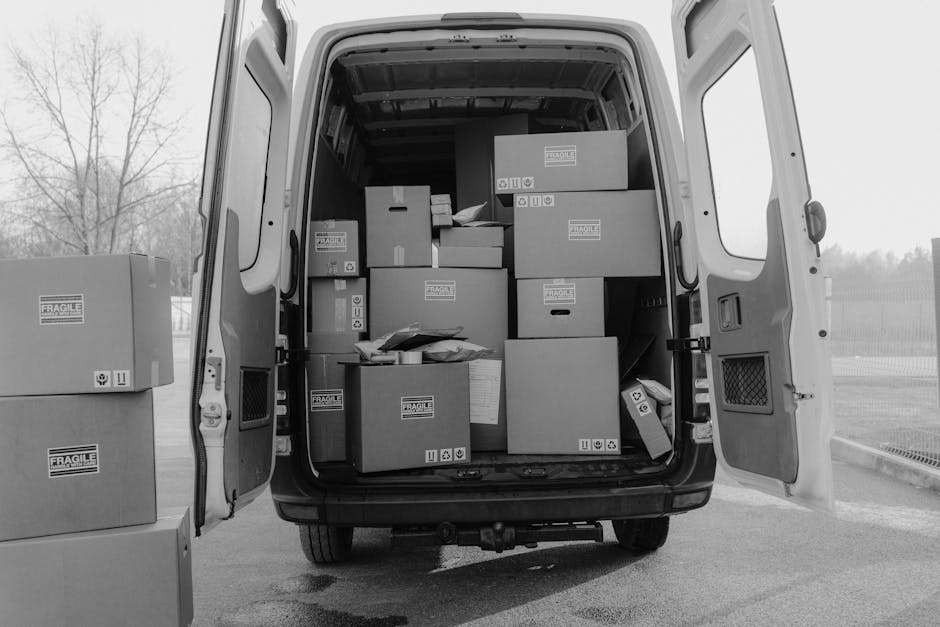
If you need to book a van in W4 today, you are probably trying to solve a very normal London problem: something needs moving, time is tight, access may be awkward, and you do not want the whole day swallowed by boxes, traffic, and last-minute stress. Quick Chiswick removals are built for exactly that kind of job. They are ideal when you want a straightforward, efficient move without the drama of a full-scale relocation.
Whether you are shifting a few bulky items, moving the contents of a small flat, clearing a room, or transporting office equipment across Chiswick and beyond, the right van service can make the day feel oddly manageable. That is the difference between "this is fine" and "why did I think doing it myself was a good idea?" In this guide, we will break down how it works, who it suits, what to look for, and the practical steps that help everything run smoothly.
For readers comparing service options, it can also help to understand related choices such as man and van support, home moving help, and office relocation services. The right match depends on volume, access, timing, and how much lifting you want to hand over.
Quick takeaway: If your move in W4 is time-sensitive, access is tight, or you simply want a cleaner, faster process, booking a van today is often the most practical first move. Get the basics right early and the rest tends to fall into place.
- Why this service matters in W4
- How the van booking process works
- Key benefits and practical advantages
- Who it is for and when it makes sense
- Step-by-step guidance
- Expert tips for better results
- Common mistakes to avoid
- Tools, resources and recommendations
- Law, compliance, standards, or best practice
- Options and comparison table
- Real-world example
- Practical checklist
- Frequently asked questions
Why Book a Van in W4 Today: Quick Chiswick Removals Matters
W4 is one of those London postcodes where timing matters more than people expect. Streets can be busy, parking can be tight, and access around flats, terraces, and mixed-use buildings can turn a simple move into a very long morning. Booking a van quickly is not just about convenience. It is about reducing friction before it has a chance to spread.
In practical terms, a fast local removals service helps when you are dealing with same-day collection, a delayed property handover, a sudden furniture purchase, a tenancy change, or a work schedule that will not wait. You know the feeling: the sofa is coming out, the clock is ticking, and the lift is either tiny or broken. Not ideal. A van with the right capacity and a driver who understands local access can save time, energy, and a fair bit of swearing under your breath.
There is also a planning benefit. If you book promptly, you are more likely to secure the time slot you actually need rather than making do with what is left. For moves in and around Chiswick, that can be the difference between a calm transfer and a domino effect of delays.
And truth be told, the best removals are usually the ones that look almost boring from the outside. No panic. No wasted trips. Just the right vehicle, the right number of hands, and a clear plan.
How Book a Van in W4 Today: Quick Chiswick Removals Works
Most van booking services follow a simple structure, though the exact details vary by provider. The process usually starts with a quick description of what needs moving. That might include item type, volume, locations, floor level, and whether there are stairs, lifts, or parking restrictions.
From there, the provider helps match the job to the right vehicle and crew size. A small collection may only need a light van and one helper. A larger domestic move may call for a bigger vehicle or a removal truck hire option. If you are moving a business, furniture, files, or equipment, you may find that commercial move support is the better fit because it is designed around business continuity and quicker turnaround.
The booking itself is usually confirmed once the job details, timing, and service level are agreed. On the day, the team arrives, loads items carefully, secures them for transport, and delivers them to the new address or storage point. Some services also help with dismantling, wrapping, or packing and unpacking, which is especially useful if you are short on time or handling fragile items.
That is the broad picture. Simple on paper, a bit more involved in real life, especially in London where the road outside can be calm at 7 a.m. and congested by lunchtime. Timing, access, and clear communication are doing a lot of heavy lifting here.
Key Benefits and Practical Advantages
Booking a van in W4 today offers more than just transport. The real value is in how much easier the move becomes once the right setup is in place.
- Speed: Fast booking helps you act when the timing is already tight.
- Flexibility: A van service can suit single items, partial loads, or small to mid-size moves.
- Local familiarity: Providers working in Chiswick tend to understand parking, access, and common street constraints.
- Lower stress: Fewer manual trips, fewer unknowns, and less chance of moving-day chaos.
- Better control: You can match vehicle size and support level to the exact job instead of overpaying for a bigger move than you need.
- Safer handling: Bulky or delicate items are easier to move when they are loaded properly rather than squeezed into a car boot and hoped for the best.
There is also a mental benefit that is hard to quantify but very real. When you have a van booked, the move stops being a vague worry and becomes a scheduled task. That shift matters. Suddenly, you are not carrying the whole thing in your head all day.
If your move is bigger, it can be worth looking at house removalists or a more complete man with van arrangement. Those services can offer a better balance of lifting support and vehicle capacity for households that need more than transport alone.
Who This Is For and When It Makes Sense
This kind of service is not only for full house moves. In fact, many of the best-fit jobs are smaller, more awkward, or time-sensitive. A van in W4 can be the smart choice when you need speed without complexity.
It often makes sense for:
- people moving from a studio or one-bedroom flat
- tenants needing to clear a property quickly
- families moving selected furniture or overflow items
- students with boxes, bags, and a few larger pieces
- small businesses relocating stock or office equipment
- landlords arranging clearances between tenancies
- anyone buying or selling furniture locally
It is also useful for one-off pickups. A dining table from a seller in another part of London, an office desk from a closure, or a few storage items being returned home can all be handled efficiently. If you are only moving a sofa, bed, or a handful of larger pieces, the lighter-touch option may be more sensible than arranging a large removal team.
For pure furniture transport, you might also consider furniture pick-up. That can be a neat fit when the job is specific and there is no need for a full move package. Nice and tidy, really.
When the job spans several rooms, complex access, or a proper change of address, then a wider home moving setup is usually better. The key is not to overbuy or underbuy the service. Either one can be annoying in a different way.
Step-by-Step Guidance
If you want the process to run smoothly, a little preparation goes a long way. Here is a sensible way to approach it.
- List what needs moving. Be honest and specific. "A few boxes" often turns into three bags, two lamps, a mattress, and a bike. It happens.
- Check access at both addresses. Note stairs, lifts, narrow hallways, loading areas, and any parking constraints.
- Decide how much help you need. Do you need only transport, or do you also need loading, unloading, packing, or dismantling support?
- Group items sensibly. Keep fragile items together, separate loose hardware, and label boxes clearly.
- Book the right vehicle size. A van that is too small can create second trips. A vehicle that is far too large may be unnecessary. Balance matters.
- Confirm timing. If you are tied to keys, building access, or a furniture delivery window, make that clear early.
- Prepare the load point. Put items in an accessible spot so the crew is not wandering through the flat looking for missing chairs or cables.
- Keep essentials separate. Keys, documents, chargers, medication, and valuables should travel with you, not in the back of the van.
A good rule of thumb: the more "small" problems you solve before the day, the less likely you are to have a big one later. Simple, but true.
If your move involves storage or a staged transfer, it may help to coordinate with the rest of your moving plan early. That is where sensible planning can reduce all the annoying little pauses that make a move drag on.
Expert Tips for Better Results
From a practical removals perspective, the biggest wins usually come from small details. These are the things that separate a smooth job from one that feels oddly chaotic for no good reason.
- Measure the awkward items. Fridges, mattresses, wardrobes, and desks are often more awkward than they first appear.
- Use proper wrapping for fragile surfaces. Glass, polished wood, and painted finishes all need a bit of protection.
- Keep screws and fittings in labelled bags. This sounds boring. It is boring. But future-you will be grateful.
- Reserve close parking where possible. Every extra metre between door and vehicle adds time and effort.
- Be clear about heavy items. A piano, large wardrobe, or commercial printer is not "just another box."
- Plan around traffic and building access. In W4, a 30-minute delay can quietly become a much bigger problem.
One thing people often miss is the loading order. It matters. Heavy, stable items should go first, with lighter or more delicate pieces secured above or alongside them. A van that is well packed travels better, protects belongings better, and usually unloads faster too.
And yes, it is worth asking whether you really need a larger van "just in case." Sometimes yes. Sometimes that is just moving anxiety talking. The right answer depends on the actual load, not the fear of the unknown.
Common Mistakes to Avoid
A few avoidable mistakes show up again and again. They are not dramatic, but they create a lot of unnecessary mess on the day.
- Underestimating volume: A couple of extra bags can change the whole plan.
- Ignoring access issues: Narrow stairwells, no lift, or poor parking can slow everything down.
- Not labelling boxes: If everything looks the same, unpacking becomes a puzzle you did not ask for.
- Leaving booking too late: The time slot you want may disappear quickly, especially at busy times.
- Not separating essentials: Nobody wants to search the van for keys, paperwork, or a phone charger.
- Assuming every service is the same: A simple man-and-van job is not always the same as a full relocation service.
There is also the classic mistake of trying to do too much in one run. If the move is large, split it properly. If the item is awkward, protect it. If the access is bad, say so. That honesty saves time for everyone.
One small but important note: if a move involves office equipment, records, or specialist items, do not treat it like a casual furniture pickup. The preparation should match the risk. Bit obvious, but easy to forget when you are in a hurry.
Tools, Resources and Recommendations
You do not need a van full of gadgets to make a move go well. But a few basic tools and sensible supplies can make the process far easier.
- Strong boxes: Use decent-quality boxes that will not collapse under weight.
- Label tape or markers: Clear labels save time at both ends.
- Furniture covers or blankets: Helpful for protecting corners and surfaces.
- Bagged hardware: Keep bolts, handles, and fittings together with the item they belong to.
- Floor protection: Particularly useful in older buildings or tight hallways.
- Phone checklist: A simple note app list is enough for most people.
For packing support, you may want to consider packing and unpacking services if time is short or you are managing fragile items. That can be especially helpful for families, busy professionals, or anyone trying to juggle a move alongside work and school runs. Let's face it, nobody enjoys taping boxes at 11 p.m.
If your move is part of a business relocation, then a more specialised approach is usually better. Office relocation services can help keep downtime down and make the transfer feel more structured. For larger or heavier loads, you may also look at moving truck support depending on the scale of the job.
Law, Compliance, Standards, or Best Practice
For most everyday van bookings in W4, the key compliance points are practical rather than dramatic. You mainly want a provider that follows normal UK transport and safety expectations, handles belongings carefully, and communicates clearly about access and loading.
If you are moving from a residential building, check any building rules about lift use, parking, loading bays, or moving times. Some landlords or managing agents also ask for advance notice. That is not unusual, and it is far easier to deal with before the van arrives than after.
For business moves, good practice includes protecting documents, keeping equipment secure, and planning the sequence of the move so operations are disrupted as little as possible. If confidential material is involved, the handling process should be sensible and controlled.
Safety matters too. Items should be lifted with care, walkways should be kept clear, and fragile or heavy loads should be secured properly in transit. If a provider talks openly about access, load size, and handling methods, that is usually a positive sign. It shows they are thinking ahead rather than hoping for the best. Which, to be fair, is what you want.
As with any service, read the relevant terms before confirming a booking. The practical details matter: timings, responsibilities, cancellation expectations, and what is included. You do not need a legal lecture. You just need to know what is being agreed and what is not.
Options, Methods, or Comparison Table
Choosing the right moving option is easier when you compare the main approaches side by side. The "best" choice depends on volume, access, and how much help you want on the day.
| Option | Best for | What you get | Typical trade-off |
|---|---|---|---|
| Van booking for quick removals | Small loads, urgent jobs, local transport | Vehicle, timing support, straightforward collection and delivery | May not suit large or highly complex moves |
| Man and van | Mixed jobs with some lifting support | Transport plus help carrying items | Less capacity than a large truck service |
| House removalists | Full home moves | Broader moving support, often more structured | Can be more than you need for a small move |
| Removal truck hire | Bulkier loads or bigger relocations | Larger carrying capacity | May be excessive for a few items |
| Furniture pick-up | Single items or selected furniture | Focused collection and transport | Less suited to broader household moves |
In plain English: choose the simplest option that safely covers the job. Overcomplicating a small move is annoying. Under-specifying a bigger one is worse.
Case Study or Real-World Example
Picture a typical Chiswick scenario. A renter in W4 has to leave a one-bedroom flat by the afternoon. There is a bed frame, mattress, a small sofa, six boxes, two lamps, and a desk chair. The stairwell is narrow, the street parking is not ideal, and the keys are due back before the day gets long in the tooth.
Instead of trying to make repeated car trips or asking three different friends to help at random times, they book a van quickly and prepare the items the night before. Boxes are labelled, the bed frame is partly dismantled, the mattress is wrapped, and the essentials are kept aside in a small bag. On moving day, the loading takes far less time than expected because the path from front door to van is clear and the load is well organised.
Nothing dramatic happens. And that is the point. The job feels almost ordinary, which is exactly what a decent move should feel like. A little tiring, maybe. But controlled.
A similar pattern applies to business jobs too. A small studio, agency, or local shop can often move a handful of items efficiently if the team knows the destination, access, and loading plan in advance. That is where good preparation really pays off.
Practical Checklist
Use this checklist before you confirm your booking. It will save you from last-minute improvising, which is rarely fun.
- Have you listed every item that needs moving?
- Do you know whether stairs, lifts, or tight access are involved?
- Have you checked if parking or loading space is available?
- Do you need help with lifting, dismantling, or packing?
- Are fragile items wrapped and clearly marked?
- Have you separated documents, keys, chargers, and valuables?
- Is the timing aligned with your move-in or move-out window?
- Do you know whether the job is a simple van move or something larger?
- Have you read the booking terms and cancellation details?
- Are the destination details complete and accurate?
If you can tick most of those off, you are in good shape. If not, take ten minutes and sort the gaps now. Future-you will appreciate it. Probably with tea.
Get a free quote today and see how much you can save.
Conclusion
Booking a van in W4 today is less about rushing and more about getting the right help at the right time. Quick Chiswick removals work best when the load, access, and timing are understood early, because that is what turns a stressful scramble into a tidy, workable plan. A small move can still be a big day, after all.
If you are moving home, shifting a few items, clearing furniture, or organising a business transfer, the most useful approach is usually the simplest one that still covers the real job. Be clear, prepare well, and choose the service level that matches what you actually need. That is the quiet trick. Not flashy, just effective.
And if today is the day you need to move, take the first step now. A well-booked van can make the rest of the day feel a lot lighter, and sometimes that is enough to change everything.
Frequently Asked Questions
What does it mean to book a van in W4 today?
It usually means arranging a same-day or near-immediate vehicle and moving support for items that need transporting in or around the W4 area. It is often used for quick removals, furniture moves, or urgent local jobs.
Is a van booking suitable for a full house move?
Sometimes, but not always. For smaller homes, it can work well. For larger households, you may need a fuller service such as house removalists or a larger vehicle option.
How much notice do I need to give?
As much as possible is best, but the appeal of quick removals is that they can sometimes be arranged at short notice. Availability depends on the day, the time, and the size of the job.
Can I book a van just for one item?
Yes. A single sofa, table, wardrobe, or appliance is a common reason to book. For very specific collections, furniture pick-up may be the most natural fit.
Do I need to pack everything before the van arrives?
Ideally, yes. At minimum, loose items should be grouped and fragile pieces protected. If you need help, packing and unpacking services can save time and reduce stress.
What should I tell the removals provider before booking?
Give them the item list, access details, floor level, parking situation, destination address, and any awkward or heavy items. The more accurate the information, the better the plan.
Is man and van the same as van booking?
They are closely related, but not always identical. A man and van service often includes lifting help as well as transport, while a basic van booking may focus more on the vehicle and logistics.
What if my access is difficult or there is no parking?
Say so upfront. Tight access, narrow roads, and parking restrictions are common in London, and they affect timing. A provider can only plan properly if they know what they are walking into.
Can a van service handle office equipment?
Yes, if the job is planned well and the equipment is suitable for transport. For a broader business move, office relocation services are usually a better fit because they are built around operational needs.
Should I choose a bigger vehicle just in case?
Only if the actual load justifies it. A bigger vehicle can help, but oversizing the job may be unnecessary. It is better to match the vehicle to the real volume and access conditions.
How do I make the move faster on the day?
Label boxes, dismantle what you can safely dismantle, keep pathways clear, and have items ready near the exit. Small preparation steps can save a surprising amount of time.
Where can I learn more about the company and its policies?
You can review the company background on the about us page and check booking details in the terms and conditions. If you need to ask a direct question, the contact us page is the right place to start.