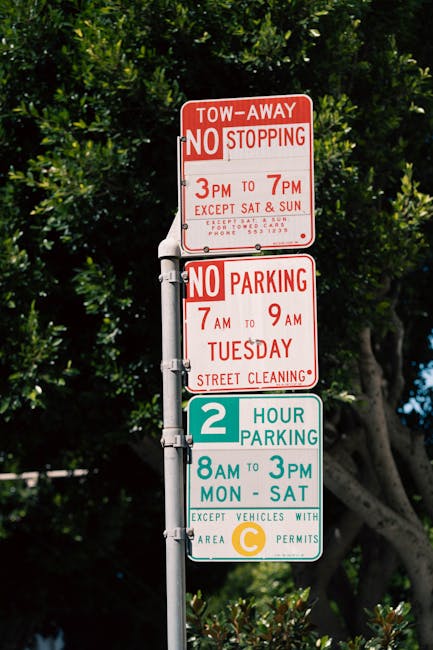
Chiswick Council Parking Permits for Removals: A Practical Guide for a Smoother Move
If you are planning a move in Chiswick, parking can become the thing that derails the day. The van arrives, the team is ready, and then there is nowhere legal to stop. That is exactly where Chiswick Council parking permits for removals come in. They help create space for loading and unloading, reduce the risk of delays, and make the whole job feel less frantic. Truth be told, a good permit plan often saves more stress than another box of tape ever will.
This guide breaks down what a removals parking permit usually means, why it matters, how the process tends to work, and what to watch out for before moving day. It also covers practical tips, compliance basics, and the common mistakes that catch people out. If you want a move that feels organised instead of chaotic, you are in the right place.
Why Chiswick Council Parking Permits for Removals Matters
Removal days run on timing. The lift might only be available for a short window, neighbours may be leaving for work, and the van driver needs to park as close as possible to the entrance. In a busy part of West London like Chiswick, a few minutes of bad parking can turn into a frustrating domino effect.
A parking permit for removals is not just an admin box to tick. It is about making the move safer, quicker, and less exposed to avoidable problems. Without suitable parking arrangements, a team may have to park farther away, carry furniture longer distances, or wait while trying to find space. That adds labour time, fatigue, and risk of damage. A sofa carried an extra fifty metres down a narrow street in the rain? Nobody enjoys that.
It also matters because streets in residential parts of Chiswick can be tight, and on some roads parking is already under pressure. If you are moving from a terraced house, mansion flat, or apartment block, the permit question becomes even more important. A bit of advance planning can prevent a very ordinary morning from becoming a small disaster.
Expert summary: If the removal vehicle needs access close to your property, do not leave parking to chance. Plan it as early as you plan the packing. In many moves, parking is the difference between a smooth handover and a long, awkward wait outside the front door.
How Chiswick Council Parking Permits for Removals Works
In practical terms, a removals parking permit usually refers to permission to reserve or use a parking space legally for loading and unloading on moving day. Depending on the exact street, bay type, and local restrictions, this may involve a temporary parking suspension, a dispensation, or another form of approved access arrangement. The details can vary, so it is always wise to check the specific requirements for your address rather than assuming a one-size-fits-all approach.
Most people think about the permit only once the van is already booked. That is understandable, but not ideal. Removal teams work best when access is confirmed in advance. If the driver knows where they can stop, for how long, and whether any time limits apply, the day runs with far less guesswork.
A good rule of thumb is this: if the vehicle is likely to block a bay, sit on yellow lines, or otherwise use a restricted area while loading, parking arrangements need proper attention. On some streets, that means applying ahead of time. On others, it may mean using a private driveway, a loading-only space, or a short stay arrangement that stays within the rules.
For customers comparing moving options, this is also where the right type of removals help matters. A smaller move may suit a flexible man and van service, while larger house moves may need a fuller crew such as house removalists or a vehicle arranged through removal truck hire. The bigger the vehicle, the more important parking becomes.
Key Benefits and Practical Advantages
Getting the parking side sorted properly brings a few real-world benefits, and they are not minor.
- Less delay: The removal team can start promptly instead of circling the block looking for space.
- Lower carrying distance: Items move from property to vehicle faster and with less physical strain.
- Reduced damage risk: Fewer long carries means fewer knocks, scrapes, and dropped corners.
- Better control of timings: If you have a tight completion window, parking certainty helps keep the day on track.
- Less stress for everyone: You, the movers, and even the neighbours benefit from a calmer setup.
There is also a quieter benefit people often miss: a proper parking arrangement creates confidence. When the van is where it should be, the loading crew can work in a rhythm. Packing, loading, securing items, checking the route, and leaving on time all become easier. It sounds obvious, but in moving work the obvious things are often the first to go.
If you are organising a fuller home move, it can also make sense to combine parking planning with other moving-day support, such as home moves or packing and unpacking services. That way the practical side and the timing side are handled together rather than as separate problems.
Who This Is For and When It Makes Sense
Parking permits or similar removal access arrangements make sense for more people than you might think. If you are moving from a place with on-street parking, shared access, or a narrow front road, it is worth looking into early.
This is especially relevant if you are:
- moving from a flat or maisonette with limited loading space
- using a large removal van or truck
- moving at a busy time of day
- sharing a road with residents who already compete for parking
- working to a strict exchange or completion schedule
- relocating an office, studio, or work premises where access has to stay orderly
Commercial moves are a good example. A business relocation can involve desks, files, tech, and stock all needing to go out in one controlled flow. In that setting, parking problems are not just inconvenient; they can disrupt staff, clients, and building access. If that sounds familiar, a page like commercial moves may be useful alongside your parking planning.
It is also worth noting that not every move needs a formal permit. If you have a private drive, safe off-street loading space, or a very short pick-up in a permissive location, the process may be simpler. But to be fair, many movers assume they will be fine until the day itself. That is usually when the street has other ideas.
Step-by-Step Guidance
Here is a practical way to handle Chiswick Council parking permits for removals without overcomplicating it.
- Check the property access first. Look at the road, bay restrictions, lines, permit zones, and whether the vehicle can stop safely close to the property.
- Confirm the vehicle size. A small van and a large lorry do not have the same parking needs. Ask the removals provider what they are sending.
- Map the loading point. Where exactly will items come out? Front door, rear access, communal entrance, basement? These details matter more than people expect.
- Allow enough time. A permit or suspension is only useful if it covers the actual loading period, not just the first optimistic estimate.
- Speak to the right people early. If you live in a managed block, freeholder, concierge, or building manager may need notice as well.
- Confirm the final plan in writing. Keep the date, address, parking instructions, and vehicle details together in one place. Old-fashioned? Maybe. Helpful? Absolutely.
- Build in a fallback. If the closest bay is unavailable or the street is unexpectedly busy, have a second parking idea ready.
A small but useful habit is to walk the route on the evening before the move. Stand outside for a minute. Look at the road widths, the nearest bay, the curb height, and the walking path to the front door. Sometimes that ten-minute check tells you more than an hour of guesswork.
If you are also renting a vehicle for the move, a service such as moving truck or man with van can help you choose the right setup for the space available. That is one of those decisions that seems small until the van turns up and cannot physically sit where you imagined.
Expert Tips for Better Results
Here are the little things that make a big difference on the day.
- Book parking planning as early as the removal slot. People often secure the vehicle and forget access. That order should really be reversed.
- Measure access, not just rooms. A large chest of drawers is only part of the problem. Door width, stairs, corners, and kerb space all matter.
- Keep building rules in mind. Some blocks have lift bookings, move-out windows, or noise restrictions that affect the timing of parking.
- Use one point of contact. Too many messages create confusion. Pick one person to hold the final details.
- Protect the loading route. If the walk from van to property is long, clear it of bins, bikes, and loose items before the team arrives.
- Plan for weather. Rain changes everything. Box edges soften, floors get slick, and every extra step feels longer.
In our experience, the best moving days are usually not the ones with perfect conditions. They are the ones where someone quietly handled the boring details early. Parking, access, timing, lift booking. Not glamorous. Very effective.
If you need help with item handling before the move, you might also find furniture pick up useful for getting bulky pieces out of the way ahead of time. And if packing feels like a mountain, there is no shame in using packing and unpacking services to reduce the last-minute scramble.
Common Mistakes to Avoid
Most permit-related problems are avoidable. The tricky part is that they look harmless until the morning of the move.
- Leaving it too late: Parking arrangements need lead time. Last-minute requests can limit your options.
- Guessing the vehicle size: "A medium van should be fine" is not a plan. Check the actual dimensions or type.
- Forgetting the return journey: Loading is only half the job. Unloading at the destination may need its own parking thinking.
- Not checking temporary restrictions: Roadworks, events, and permit changes can affect availability. Streets change quickly.
- Assuming the movers will sort everything: Some teams help with the parking plan, but responsibility is often shared. Clarify this early.
- Blocking neighbours without warning: It is a small thing, but a polite note or conversation can go a long way in tight streets.
One very common slip-up is building the whole day around the best-case scenario. Then the van is five minutes late, the lift is busy, and the only space nearby is already taken. Not a crisis, but annoying enough to throw off the mood. Better to assume a slightly messy start and prepare for it.
Tools, Resources and Recommendations
You do not need fancy software to manage parking for a removal. What you do need is a simple system and a few basic tools.
- Phone notes: Keep addresses, access codes, permit details, and mover contacts in one note.
- Paper copy: A printed checklist helps if your phone battery is busy dying, which, let's face it, happens at the worst time.
- Photos of the street: Take pictures of the front of the property and any parking signs the day before.
- Tape measure: Measure doorways, hallways, and any particularly tight turning points.
- Labels and markers: These make loading faster and reduce confusion when there is limited parking time.
For a move that needs a larger vehicle, a dedicated removal truck hire option may be more suitable than improvising with a smaller van. For smaller, quicker jobs, a man and van setup can be more practical, especially where streets are tight and access is limited.
If your move includes office equipment or a business relocation, it can help to align parking planning with office relocation services. That keeps the practical side of the move aligned with deadlines, staff access, and building rules.
Law, Compliance, Standards, or Best Practice
Parking arrangements for removals sit inside a wider framework of local parking rules, road signs, and general best practice. Because requirements can differ by street and situation, it is sensible to treat permit details carefully rather than assuming a standard rule applies everywhere.
The safest approach is simple: do not park in a way that creates danger, blocks emergency access, breaches restrictions, or leaves the vehicle in a place it should not be. If a loading area, bay suspension, or similar arrangement is needed, confirm the conditions that apply and make sure everyone involved understands them.
From a practical compliance point of view, three things matter most:
- Accuracy: The vehicle, location, and time window should match the agreed arrangement.
- Visibility: Any required documentation or instructions should be easy for the driver to follow.
- Respect for others: Keep pavements, neighbours' access, and shared spaces in mind.
That may sound a little formal, but it is really just common sense with better paperwork. If you are ever uncertain, the smart move is to verify the situation before moving day rather than hope for the best and deal with it later.
Options, Methods, or Comparison Table
Different moves need different parking approaches. Here is a simple comparison to help you think it through.
| Option | Best for | Pros | Watch-outs |
|---|---|---|---|
| Private driveway or off-street access | Houses with space close to the entrance | Fast loading, fewer restrictions, less street disruption | May still need protection for paving, gates, or shared access |
| Street parking with a permit or suspension | Terraced homes, flats, and tight residential roads | Keeps the vehicle close to the property and saves time | Needs advance planning and may depend on local conditions |
| Short-stay loading arrangement | Small or medium moves with quick turnaround | Flexible and efficient if the timing is realistic | Often tight on time; delays can create pressure fast |
| Further-away parking with extra carrying distance | Fallback scenarios or very restricted streets | May avoid restriction issues if nothing closer is available | Slower, more tiring, and more exposure to damage |
For most people, the ideal option is the closest legal parking arrangement available. But the "best" solution is not always the nearest one. Sometimes a slightly longer walk with a reliable setup is better than a risky stop right outside the door. There, I said it.
Case Study or Real-World Example
Imagine a family moving out of a two-bedroom flat in Chiswick on a Friday morning. The building has a shared entrance, the street is busy, and the removal vehicle is larger than a standard van because there are several bulky items, including a wardrobe and a sofa bed.
If no parking plan is made, the team might arrive and spend ten or fifteen minutes hunting for space. During that time, the family is standing around with bags by the front door, the hallway is crowded, and the lift is available for only a short window. The mood starts to dip. Not a great start.
Now compare that with a better-prepared version. The parking area has been checked in advance, the vehicle type has been confirmed, the access path has been cleared, and the movers know where to stop. The team loads the heavier furniture first, the family keeps essentials to hand, and the whole move feels calmer. Still busy, yes. But much more controlled.
That difference is usually not luck. It is planning. A small piece of planning, but a meaningful one.
Practical Checklist
Use this checklist before moving day. It keeps the important things in view when everything else feels a bit chaotic.
- Confirm the moving date and time
- Check whether the property has private or shared parking
- Identify any loading restrictions or time limits
- Confirm the size and type of removal vehicle
- Make sure the driver knows the exact address and access point
- Arrange any permit, suspension, or parking permission needed
- Tell building management or neighbours if required
- Clear the loading route inside and outside the property
- Prepare boxes, labels, keys, and essentials separately
- Keep a fallback parking plan in case the first choice is unavailable
Quick reminder: the smoother your access, the less the move feels like a wrestling match with the pavement.
Conclusion
Chiswick Council parking permits for removals are really about one thing: making moving day workable. They help you avoid last-minute parking drama, reduce the distance items need to be carried, and give the removal team a proper chance to do the job well. That alone is worth the effort.
Whether you are moving a flat, a family home, or a business, the same principle applies. Check the access early, choose the right vehicle, and make sure the parking arrangement fits the job rather than fighting it. A little preparation goes a long way. It always does.
If you are organising a move and want help matching parking needs with the right removal setup, explore our services and plan the day with confidence.
Get a free quote today and see how much you can save.
Frequently Asked Questions
Do I need a parking permit for removals in Chiswick?
Not every move needs one, but if your removal vehicle must park on-street, use a restricted bay, or stop near a busy residential road, some form of parking permission or arrangement is often sensible. The exact need depends on the street, vehicle size, and local restrictions.
How far in advance should I sort out parking for moving day?
As early as possible. Ideally, parking should be planned at the same time as the removal booking. Leaving it until the final few days can reduce your options and create unnecessary pressure.
What if my street is always busy?
That is exactly when parking planning matters most. A busy street usually means you should confirm a legal loading plan well before the van arrives. It may also affect the type of vehicle you choose.
Can a man and van service help with parking challenges?
Yes, often it can. A smaller vehicle can be much easier to position on tighter streets. If access is limited, a man with van setup may be more practical than a larger truck.
What is the difference between a removals permit and general parking?
General parking is simply using an available space within the rules. A removals parking arrangement is more specific and may involve temporary loading permission, a suspension, or another short-term setup that helps the vehicle stop legally for the move.
Does parking affect how long a removal takes?
Very much so. Good parking shortens carrying distances and keeps the crew working efficiently. Poor parking can add delay, extra lifting, and a lot of unnecessary back-and-forth.
What should I tell the removal company about parking?
Give them the full address, the parking situation, any restrictions, the access point, and whether there is space for a larger vehicle. If you are unsure, say so. It is better to be honest than to pretend the road is wider than it is.
Are parking rules different for home moves and office relocations?
Often, yes. Office relocations may involve building management, loading bays, shared access, and time-sensitive entry rules. Home moves tend to focus more on street access and household loading patterns.
What happens if the parking plan falls through on the day?
Usually the team will adapt as best they can, but it may mean more walking, more time, or a change in loading position. That is why it helps to have a backup plan and a realistic understanding of the street before move day.
Can I combine parking planning with packing support?
Absolutely. In fact, it often works better that way. If packing, loading, and parking are all coordinated together, the move feels more organised and usually runs more smoothly.
Is there a best vehicle size for Chiswick streets?
There is no single best size. Smaller vehicles suit tighter roads, but larger vehicles may be more efficient for bigger homes. The right choice depends on access, volume, and how far the vehicle can legally park from the property.
Where can I get help if I am not sure what I need?
If you are unsure, start by reviewing your property access and then talk through the move with a removals provider. You can also look at relevant services such as home moves or contact us to discuss the best approach for your situation.