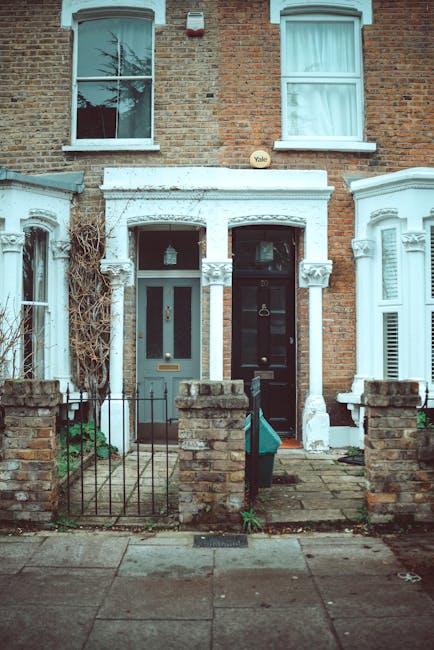
How We Relocated a Victorian House on Chiswick Mall
Relocating a Victorian house on Chiswick Mall is not the sort of move you improvise over a cup of tea and a couple of cardboard boxes. It takes planning, careful sequencing, and a proper respect for the building itself. In this guide, we break down how we relocated a Victorian house on Chiswick Mall, what made the job different, and the decisions that mattered most on the day. If you are facing a similar move, or simply curious about how a period property can be handled without unnecessary drama, this article will walk you through it in plain English.
Chiswick Mall has its own rhythm. Narrow approach points, parked cars, neighbour sensitivity, and the reality of working around a historic streetscape all shape the move. The house itself adds another layer: tall ceilings, heavy joinery, delicate finishes, awkward stair turns, and those little surprises that only older buildings seem to keep hidden until the last minute. Let's face it, Victorian houses rarely make things easy. But with the right method, they can be moved safely and efficiently.
Table of Contents
- Why this kind of relocation matters
- How the relocation process works
- Key benefits and practical advantages
- Who it is for and when it makes sense
- Step-by-step guidance
- Expert tips for better results
- Common mistakes to avoid
- Tools, resources and recommendations
- Law, compliance, standards and best practice
- Options, methods and comparison table
- Case study or real-world example
- Practical checklist
- Conclusion
- Frequently asked questions
Why How We Relocated a Victorian House on Chiswick Mall Matters
A Victorian house is not just a bigger version of a standard family home. It is a different moving challenge altogether. The floors may flex more than you expect, door frames can be uneven, and original features often need protection rather than brute force. On a street like Chiswick Mall, there is also the local context: tighter parking conditions, less room to stage equipment, and more pressure to complete the move without disrupting neighbours or traffic flow.
That matters because a move like this is really three jobs happening at once. First, you are moving possessions. Second, you are protecting the building and its finishes. Third, you are managing access and timing so the entire process runs smoothly. If any one of those pieces is ignored, the whole day can wobble. And once things wobble, stress spreads fast.
We have found that people often focus on the size of the move and forget the shape of it. A Victorian staircase with a turn halfway up can be more difficult than a much larger modern staircase. A grand hallway may look spacious, yet the turning points can be awkward. Small detail, big consequence.
Expert summary: Moving a Victorian house on Chiswick Mall is less about strength and more about sequencing, protection, and local access control. The best results usually come from careful preparation, not last-minute heroics.
It also matters because period homes often hold a lot of sentimental and financial value. A chipped bannister, scratched floorboard, or damaged plaster detail is not a minor inconvenience. It is a proper headache. That is why a considered approach pays off, even if it takes a little longer at the planning stage.
How How We Relocated a Victorian House on Chiswick Mall Works
At a practical level, the process begins before anything is lifted. We start by assessing the property, the access route, the parking situation, the load order, and the fragile items that need special handling. Only then do we decide what equipment, crew size, and vehicle setup make sense.
For a Victorian property, the move is usually organised around zones. You do not just "pack the house"; you break it into rooms, then into categories within rooms. Heavy furniture, boxed contents, antiques, kitchenware, mirrors, artwork, and loose fittings are all treated differently. That sounds obvious, but in the real world it is the difference between a calm move and one where someone is suddenly hunting for bubble wrap at 7:30 in the morning.
The route outside the property matters just as much. On Chiswick Mall, the team has to think about where the vehicle can stop, how long loading will take, whether a second round trip is better than overloading the first, and how to keep foot traffic clear. In some cases, a man and van setup is enough for smaller or tightly coordinated moves. For larger Victorian homes, a more substantial vehicle plan is often the safer choice.
We also build in protection for the house itself. That can include floor coverings, door-frame wrapping, corner protection, and careful handling at every turn of the staircase. Old houses give you very little margin for error. If you rush a heavy sofa around a narrow bend, the wall usually wins. Rude, but true.
There is one more thing people underestimate: communication. A good relocation is not just physical work. It is constant coordination. Who is taking which room? What goes first? Which item needs two people instead of one? Where do the boxes labelled "fragile" actually go? The smoother that information flows, the less likely you are to have panic on the pavement.
Key Benefits and Practical Advantages
Relocating a Victorian house properly brings benefits that go well beyond avoiding damage. The biggest advantage is control. Once the move is organised around access, protection, and sequencing, everything feels less chaotic. That calmness matters, especially in a historic area where delays can quickly ripple outward.
- Less risk to the property: Careful handling reduces the chance of scuffed plaster, scraped bannisters, or damaged flooring.
- Better use of time: A structured plan prevents repeated trips, bottlenecks, and last-minute reshuffling.
- Lower stress for the household: People feel more settled when there is a clear order to the day.
- Improved handling of valuables: Antiques, mirrors, and fragile furniture are easier to protect when they are packed and loaded strategically.
- Cleaner coordination with neighbours and road conditions: Local awareness helps avoid unnecessary friction.
There is also a less obvious advantage: better decision-making under pressure. When the crew has already agreed on the loading sequence, there is less guesswork when a large item refuses to fit on the first attempt. That sounds small, but on moving day, small things become very important very quickly.
If you are comparing services, it is worth looking at whether the team understands both domestic removals and the local access conditions in west London. A company experienced with home moves and house removalists is more likely to anticipate the awkward details before they become problems.
Who This Is For and When It Makes Sense
This kind of service makes sense for anyone moving a period property, but it is especially useful if your home has a few of the classic Victorian complications: narrow stairs, awkward landings, original floors, heavy solid-wood furniture, or valuable decorative features that need proper care. If your move involves a lot of furniture or unusually shaped items, you will notice the difference immediately.
It is also a strong fit for people who value continuity. Maybe you are moving within Chiswick, perhaps from one side of the area to another, and you want the job done without your day disappearing into logistics. Or maybe you are leaving a house that has taken years to make feel like home. To be fair, that emotional side matters. A move is never only about boxes.
These services are often the right choice when:
- the property is a listed or period home with delicate finishes;
- access is tight and timing needs to be planned carefully;
- you have antiques, artwork, or fragile household items;
- you want professional help rather than a piecemeal self-move;
- the route or parking situation requires local know-how;
- the move has to be completed in a single day, or close to it.
Sometimes people assume a smaller move does not need much planning. In reality, a compact but delicate relocation can be harder than a larger standard one. A tiny hallway and two awkward flights of stairs can be more time-consuming than a big open-plan house. Oddly enough, the "simple" jobs often aren't.
Step-by-Step Guidance
Here is the process we use, in practical terms, when relocating a Victorian house on a street like Chiswick Mall.
1. Survey the property and access points
Start with a full walk-through. Measure key furniture, identify fragile items, and note any awkward corners, low ceilings, or narrow landings. Outside, check where the vehicle can stop and whether there is enough room for safe loading. If parking or traffic control is likely to be an issue, plan for it early rather than hoping for the best. Hope is not a strategy. A nice sentiment, but not a strategy.
2. Decide what needs special handling
Large mirrors, grandfather clocks, glass-fronted cabinets, marble-topped tables, and antique pieces usually need extra protection. Some items may need to be dismantled. Others should be kept assembled to avoid weakening joints. The right answer depends on the item, not on convenience alone.
3. Pack by room and by priority
Room-by-room packing is useful, but priority packing is what keeps the day moving. Essentials should be packed last and loaded in a way that makes them easy to unload first. Everyday kitchen items, bedding, cleaning supplies, and immediate-use toiletries deserve special attention. If you have ever hunted for a kettle in a pile of boxes, you already know why.
4. Protect the house before lifting starts
Floor protection, padding, and route planning should happen before the first piece of furniture moves. This includes stair corners, door frames, and any area where hands or furniture are likely to brush the surface. A few extra minutes here saves a lot of regret later.
5. Load in the right sequence
The heaviest and most stable items usually go first, with fragile and awkward items secured carefully around them. The aim is not to fill the van as quickly as possible. The aim is to build a stable load that will not shift in transit. That difference matters more than people think.
6. Unload with placement in mind
A good move ends with things landing where they are meant to go. Boxes should be placed in the correct rooms, furniture should be positioned safely, and any reassembly should happen in a sensible order. If you have a bed frame, for instance, it is much easier to rebuild it before the mattress is set down. Small mercy, big difference.
7. Check the property before leaving
Do a final sweep of cupboards, lofts, drawers, and under-stair storage. Victorian houses are especially good at hiding things in odd corners. Keys, chargers, documents, and small valuables tend to vanish into the furniture equivalent of a black hole.
Expert Tips for Better Results
The best moving days feel uneventful. That is not an accident. It usually comes from a few sensible habits that experienced teams stick to, even when the schedule is tight.
- Label beyond the basics: Instead of "kitchen," write "kitchen - mugs and daily plates" or "bedroom - bedding first night." It saves a lot of rummaging.
- Keep hardware in clearly marked bags: Screws, brackets, and fixings disappear easily. Tape the bag to the item if appropriate.
- Use a measured approach with antiques: Older pieces often need a gentler grip than modern furniture. They may look sturdy, but the joins can be more fragile than they appear.
- Plan for local timing: If there are school runs, market activity, or weekend traffic nearby, adjust your start time. On Chiswick streets, timing can be half the battle.
- Have one person in charge of decisions: It cuts down on crossed instructions. Too many voices, and suddenly no one is sure where the sideboard is going.
A good practical habit is to build a "first hour box" with snacks, chargers, toilet essentials, tea bags, and basic tools. It sounds trivial. It is not. When the kettle is working and the screwdriver is within reach, the whole day feels more under control.
If you are also dealing with extra items or overflow furniture, services such as furniture pick-up can help reduce clutter before move day. That is especially useful when you want the new house to feel orderly from the start rather than cluttered from day one.
Common Mistakes to Avoid
Most moving problems come from a handful of avoidable mistakes. The good news is that once you know what they are, they are fairly easy to sidestep.
Leaving parking and access too late
People sometimes assume the van will simply "find a spot." On a busy or narrow street, that is optimistic at best. Access needs proper thought, and not five minutes before arrival. If parking is limited, build that into the plan from the start.
Underestimating fragile finishes
Victorian properties often have decorative detail that modern homes do not. Skirting boards, plaster mouldings, painted architraves, and older floors all deserve extra care. It only takes one careless bump to leave a mark you will keep noticing every time you walk past it.
Packing too much into one box
Heavy boxes are a classic mistake. They seem efficient until someone has to carry them up stairs. Keep boxes manageable. Your back will thank you, and frankly, so will everyone else involved.
Not preparing the new property
A move is easier if the destination is ready. Clear the entryway, protect the floors, and think about where each room's essentials should go. If the new house is not prepared, the unloading stage becomes messier than it needs to be.
Skipping a proper inventory
Without a basic inventory, items go missing more easily and the packing order becomes chaotic. You do not need a museum catalogue. Just a sensible list that tells you what is being moved and where it should end up.
One more thing: do not assume every removal task needs the same method. A piano, an antique cabinet, and a pile of general boxes all require different handling. If you are moving specialist items, choose the method that fits the object, not the other way round.
Tools, Resources and Recommendations
You do not need a warehouse full of kit to move a Victorian home well, but you do need the right essentials. The basics make a bigger difference than fancy gear.
| Tool or resource | What it helps with | Why it matters |
|---|---|---|
| Floor and corner protection | Protecting surfaces and edges | Reduces scuffs, chips, and accidental impact |
| Furniture blankets and straps | Securing large items in transit | Prevents shifting and rubbing |
| Strong labelled boxes | Organised packing | Makes unloading and room placement easier |
| Basic hand tools | Dismantling and reassembly | Helps with beds, tables, and modular furniture |
| Room-by-room packing list | Tracking belongings | Reduces confusion during unpacking |
For broader moving support, it can help to work with a service that understands different move sizes and vehicle needs. If the job is larger than a straightforward van run, a moving truck may be more appropriate. For certain household or mixed loads, a service like removal truck hire can also fit the brief, depending on the scale of the move.
On the planning side, useful preparation articles can make a real difference. Reading up on packing kitchenware properly or decluttering before the move may seem basic, but those two steps alone save a lot of time and friction. Practical advice is boring until it saves your day.
If you are trying to get a handle on timing, local logistics matters too. Chiswick has its own flow of traffic, parking pressure, and event-related interruptions. A little local awareness goes a long way.
Law, Compliance, Standards and Best Practice
When a move takes place in a residential London area, compliance is mostly about planning responsibly and respecting local conditions. That includes parking awareness, safe loading practices, and making sure the move does not create avoidable obstruction or damage. Where permits, road restrictions, or local parking controls apply, they should be checked in advance. It is better to confirm details early than to discover a problem when the van is already outside.
In practical terms, best practice includes:
- checking whether parking arrangements or permits are needed;
- ensuring the route is safe for staff and residents;
- protecting floors and surfaces inside the property;
- using suitable lifting methods for heavy or awkward items;
- working within sensible timeframes so neighbours are not unnecessarily disturbed;
- keeping the site tidy and free of trip hazards.
If your move involves bulky waste, unwanted furniture, or items that are not being transported, deal with them properly rather than leaving them to one side. There are practical disposal considerations, and a useful way to think about it is to separate "moving" from "clearing out" so the two jobs do not blur together. If that line gets fuzzy, the whole day does too.
It is also wise to ask about insurance and handling procedures before the move. Not because everyone expects trouble, but because a clear process builds trust. For period homes especially, careful handling and sensible accountability are part of the job, not extras.
Options, Methods, or Comparison Table
There is no single correct way to move a Victorian property. The right method depends on the size of the load, the access, and how much specialist handling you need. Here is a simple comparison to help frame the choice.
| Method | Best for | Strengths | Trade-offs |
|---|---|---|---|
| Man and van | Smaller household loads or short local moves | Flexible, nimble, good for lighter loads | Limited capacity for large furniture sets |
| Home removals team | Full house relocations | More structured, better for multi-room moves | Requires more planning and coordination |
| Truck-based move | Large properties or heavy inventories | High capacity, efficient for bigger jobs | Access and parking need to be well managed |
| Partial or staged move | Complex projects or awkward timing | Spreads workload, reduces pressure | Can take longer overall |
For a Victorian house on Chiswick Mall, the choice often comes down to access and furniture volume. If the property has substantial pieces, a staged move may be more sensible than trying to do everything in one rush. For some households, a smaller setup like man with van support is enough for part of the move, while the rest is handled by a larger team. That mixed approach can be very sensible. Not glamorous, but sensible.
Case Study or Real-World Example
Here is a realistic example of how a move like this tends to unfold. A family was leaving a Victorian house with original staircases, heavy oak furniture, framed artwork, and a handful of antique pieces that had been in the house for years. The road outside had limited room for loading, and the household wanted the move completed without damaging the floors or blocking access for neighbours.
The preparation started with a room-by-room survey. Large furniture was measured against the stair turns, fragile items were set aside for extra wrapping, and the loading order was mapped out before moving day. A few items were dismantled because it made the route safer and quicker. Others were left intact because dismantling would have increased the risk of damage. That judgment call is a quiet part of the job, but it matters.
On the day itself, floor protection went down first. Boxes were moved in a controlled sequence, with the heaviest items loaded before the lighter ones. One awkward cabinet needed a slower turn at the top of the stairs than anyone would have liked, and there was a brief moment of "well, this is why we measured everything." After that, the rest moved smoothly. No drama, no scratches, no frantic searching for screws at the end. A rare and lovely thing.
The main lesson was simple: a house like this rewards preparation. The more you plan around the property rather than forcing the property to fit the move, the better the outcome. It sounds obvious, but in the middle of a move, obvious things are sometimes the easiest to forget.
Practical Checklist
Use this checklist to keep the move on track. It is simple, but it covers the parts that are easiest to overlook.
- Confirm the move date and access plan early
- Check parking and loading arrangements for the street
- Measure large furniture and awkward stair turns
- Set aside fragile and high-value items for special handling
- Pack by room and label clearly
- Prepare a first-night box with essentials
- Protect floors, corners, and door frames before lifting starts
- Keep screws, fittings, and small parts in labelled bags
- Make sure the new property is ready for unloading
- Walk through both homes at the end and check for forgotten items
Quick reminder: if the move involves bulky items, antiques, or a tight timetable, do not leave the planning to the last minute. A little forethought saves a lot of shouting across hallways. Truth be told, that alone is worth it.
If you want a smoother overall experience, a practical next step is to explore the services and support that match your exact move. For many households, that means choosing the right removal help, getting the packing sorted, and making sure local logistics are thought through before the vans arrive.
Get a free quote today and see how much you can save.
Conclusion
Relocating a Victorian house on Chiswick Mall is a careful balancing act. The property deserves respect, the street demands local awareness, and the move itself needs proper structure if you want the day to feel manageable. The good news is that with the right preparation, the whole process becomes far less daunting than it first appears.
What makes the biggest difference is rarely one dramatic move or special trick. It is the accumulation of small, sensible decisions: the right packing order, the right vehicle, the right timing, the right protection, and the right attitude toward the building itself. That is how a difficult move becomes a successful one.
And once the last box is inside, there is that familiar moment of stillness. A bit dusty, slightly tired, but properly done. That feeling is hard to beat.
Frequently Asked Questions
How do you move a Victorian house safely on a narrow street like Chiswick Mall?
You start with access planning, parking checks, and a clear loading sequence. The key is to protect the property first, then move in a controlled order so the van, crew, and building all work together rather than against each other.
What makes a Victorian house harder to relocate than a modern home?
Victorian houses often have tighter stair turns, more delicate finishes, heavier solid furniture, and less forgiving floor layouts. That means more care is needed for both access and protection.
Do I need a full removal team or can I use a smaller service?
It depends on the size of the property and the amount of furniture. A smaller service may work for partial moves or lighter loads, while a full house relocation usually benefits from a dedicated removals team.
How far in advance should I plan a move on Chiswick Mall?
As early as possible. Even local moves can be affected by parking, access, and timing, so early planning helps reduce stress and avoids last-minute problems.
What should I do with antiques or fragile furniture?
Set them aside early, wrap them properly, and decide whether they need dismantling or specialist handling. If an item is valuable or unusually delicate, treat it as a separate planning task rather than part of the general boxes.
Can parking or road restrictions affect the move?
Yes, very much so. On streets like Chiswick Mall, parking and loading space can shape the entire move. It is worth checking local restrictions and planning the vehicle position before move day.
Is it better to dismantle large furniture before the move?
Sometimes, yes. Dismantling can make awkward pieces safer to carry and easier to turn through narrow spaces. But not every item should be taken apart, so the decision should be based on the furniture itself.
How do I avoid damaging floors and walls in an older property?
Use floor coverings, corner protection, careful lifting, and a planned route through the house. The more deliberate the movement, the less chance there is of scuffs and chips.
What is the biggest mistake people make when moving a period house?
They underestimate the time and planning required. Period homes are often less forgiving than they look, and rushing is where most damage and stress start.
Should I pack essentials separately for the first night?
Absolutely. Keep a clearly labelled box or bag with toiletries, chargers, bedding, kettle essentials, and any daily medication or documents you need close to hand.
How can I reduce stress on moving day?
Prepare as much as you can beforehand, label clearly, confirm the order of rooms, and keep one person in charge of decisions. A tidy plan does more for stress than people realise.
What if I have extra items I do not want to take?
Deal with them before the move if possible. Extra furniture, waste, or unwanted items add clutter and slow the process down, so it is better to clear them out early rather than carrying the problem with you.