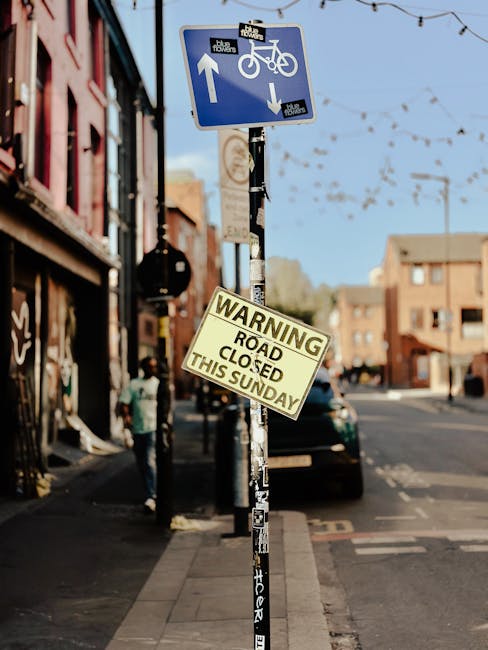
Road Closure & Skip Permit Rules in Chiswick
If you are planning a move, a renovation, or a clear-out in west London, the small details can make or break the day. Road Closure & Skip Permit Rules in Chiswick are one of those details people often leave until the last minute, then suddenly the street is tight, traffic is building, and everyone is asking who approved what. Truth be told, that is exactly when stress creeps in.
This guide explains the practical side of road closures and skip permits in Chiswick in plain English. You will learn when permissions are usually needed, how the process tends to work, what can go wrong if you skip a step, and how to plan around it without turning your project into a traffic puzzle. It also covers the differences between skips, loading bays, moving vehicles, and temporary access issues, because those are not quite the same thing, even if people treat them that way on moving day.
Why Road Closure & Skip Permit Rules in Chiswick Matters
Chiswick has a lot of lovely residential streets, busy high-road stretches, narrow side roads, and the sort of traffic that can feel fine one minute and jammed the next. That mix is exactly why road closure and skip permit rules matter. A skip placed on the road without the right permission can create an obstruction. A van parked badly for a house move can block residents, deliveries, or emergency access. And a temporary road closure, even a short one, can affect neighbours faster than people expect.
For homeowners, landlords, businesses, and removal teams, the biggest benefit of understanding the rules is simple: fewer surprises. If you know what needs authorisation, you can arrange the delivery or collection in a sensible order. You avoid last-minute cancellations, awkward calls to neighbours, and the classic "we thought it was fine" moment. Let's face it, that line never ages well.
There is also a trust factor. When a project looks organised, people relax. Residents are less annoyed. Contractors work faster. Council concerns are easier to handle. And if your move involves home moves or a larger clear-out, planning ahead usually saves more time than trying to fix issues on the day.
How Road Closure & Skip Permit Rules in Chiswick Works
In simple terms, a skip permit is permission to place a skip on public highway land such as a road, verge, or sometimes shared access space, depending on local conditions. A road closure permit or temporary traffic management arrangement is a separate matter. That one is generally about restricting access or directing traffic for a set period, often for safety or operational reasons.
The exact process can vary depending on the type of activity. A skip for building waste may need one form of permission, while a large furniture collection or a commercial clearance may involve vehicle access planning instead. If a removals truck needs to stop on-street for loading, the issue may be less about the skip and more about where the vehicle can legally and safely wait. For some jobs, the answer is not a permit at all, but a well-timed parking plan. Small distinction. Big difference.
Most people in Chiswick run into these questions during one of three scenarios:
- putting a skip outside a property because there is no driveway
- needing loading space for a bulky move or office clearance
- handling access on a street that is busy, narrow, or restricted at certain times
Where the route or access conditions are awkward, a suitable vehicle matters too. A smaller option such as man and van or man with van can sometimes make the logistics easier than trying to force a larger setup into a tight street. On the other hand, bigger jobs may call for moving truck support or even removal truck hire, depending on volume and access.
It is worth saying clearly: if a road closure is being considered, the planning lead time is usually more important than the closure itself. A tidy, short closure is easier to manage than a rushed one. Same with skips. The permit is only one part of the story; safe placement, visibility, and timing are just as important.
Key Benefits and Practical Advantages
When road closure and skip rules are handled properly, the benefit is not just compliance. It is smoother work, fewer delays, and fewer unhappy people staring out of windows at 7 a.m. while a lorry idles outside. That image is more common than anyone likes to admit.
- Less disruption: planned access keeps neighbours informed and traffic movement more predictable.
- Safer operations: clear stopping points, visible skips, and controlled access reduce risk for pedestrians and drivers.
- Better timekeeping: teams can load, unload, or remove waste without waiting around for an obstruction to be cleared.
- Lower chance of enforcement issues: the right permissions reduce the risk of complaints, penalties, or forced removal.
- Cleaner project planning: you can schedule waste removal, packing, and transport in the right order.
For businesses, particularly offices or retail premises, the upside is even stronger. A commercial move often has more moving parts than a house shift, and public access can become a bottleneck quickly. That is where planning around commercial moves or office relocation services helps keep the whole operation calmer. Calmer means faster, and faster usually means cheaper in real-world terms, even if nobody says it out loud.
Another practical advantage is reputation. If you manage a property, supervise a site, or run a business on a Chiswick street, thoughtful planning sends a strong signal. It tells people you respect the area, the road, and the people using it.
Who This Is For and When It Makes Sense
These rules matter for more people than you might think. It is not just builders or large contractors. In fact, many of the most common cases are ordinary households dealing with ordinary life: a loft clear-out, a kitchen refit, a sofa collection, a probate clearance, or the sort of pre-move panic where a hallway fills up with boxes and nobody remembers who packed the kettle.
You should think about road closure and skip permit rules if you are:
- arranging a house move where parking or access is tight
- booking waste removal from a property without off-street space
- planning furniture disposal or large item collection
- moving an office, clinic, shop, or workspace
- co-ordinating deliveries that need roadside access
- managing renovation or refurbishment work
If the job is small and the vehicle can remain fully off-road, you may not need anything beyond sensible scheduling. But once the work begins affecting a public street, permit questions usually move up the list. That is especially true in Chiswick, where parking pressure and local traffic patterns can turn a minor oversight into a genuine headache.
If you are also preparing belongings before a move, it may help to use packing and unpacking services so the loading process is quicker and less chaotic. Oddly enough, a well-packed move tends to create fewer permit-related issues because the vehicle spends less time blocking access. Simple, but effective.
Step-by-Step Guidance
Here is a practical way to approach the process without overcomplicating it.
- Work out what is actually needed. Is it a skip on the road, a short-term loading stop, a full road closure, or just a carefully timed vehicle booking?
- Check the site layout. Look at width, parking restrictions, overhead obstructions, pedestrian flow, and whether there is space for safe placement.
- Estimate the volume of waste or belongings. This matters because the size of the vehicle or skip affects access and stopping space.
- Plan the timing. Avoid busy school runs, peak traffic windows, or times when neighbours are more likely to need access.
- Confirm permit requirements early. If the skip or vehicle needs permission, build in enough lead time. Last-minute requests are where projects start wobbling.
- Communicate with the people affected. Tell residents, staff, or neighbours what is happening and for how long.
- Arrange the right support. If access is tight, choose a service that suits the street rather than hoping a bigger vehicle will magically fit.
- Keep evidence and contact details handy. If anything changes, you will want quick access to booking details, permit references, and the responsible contact.
If you are not sure whether a skip is the best option, consider the type of material being removed. Mixed household clutter is one thing; heavy furniture, office fixtures, or carefully separated items may need a different approach. A dedicated furniture pick up can sometimes be more efficient than treating everything as general waste. Not always, but often enough to be worth checking.
One small but useful habit: walk the street yourself before the booking. Stand where the vehicle would stop. Look both ways. You will notice bollards, tree branches, yellow lines, scooters, bins, and the kind of awkward little pinch points that maps never seem to show properly. This one step saves embarrassment later. Every time, almost.
Expert Tips for Better Results
The best outcomes usually come from careful sequencing, not heroic effort. In practice, that means thinking like a dispatcher for a few minutes before the real work begins.
- Use the smallest workable vehicle or waste solution. Smaller access often means fewer street complications.
- Bundle tasks together. If you are moving and clearing waste, do not create two separate traffic problems if one well-planned visit will do.
- Leave extra time for loading. Chiswick streets can look manageable, then suddenly a delivery van appears and your five-minute stop becomes fifteen.
- Prioritise visibility. Cones, lighting, and sensible positioning matter, especially if work continues near dusk or early morning.
- Keep neighbours informed in plain language. People usually react better when they know what to expect and when things will clear.
- Use a team that understands local access challenges. Familiarity with London street patterns is worth a lot, even if it sounds boring.
In our experience, the smoothest jobs are the ones where the route, parking, and waste plan are thought through together. Not separate. Together. That sounds obvious, but you would be surprised how often people treat them like unrelated tasks until the morning of the job.
If the project involves a larger household move, a full-service removal approach such as house removalists can reduce the strain. The fewer ad hoc decisions you have to make on the street, the better. You want calm hands, clear roles, and no one arguing over whether the mattress should go first.
Common Mistakes to Avoid
The common mistakes are rarely dramatic. They are the small ones. The ones that seem harmless until they stack up.
- Leaving permits too late: if a permission is needed, last-minute bookings can derail the schedule.
- Assuming a skip can go anywhere: road placement is not the same as driveway placement.
- Blocking access without warning: residents, deliveries, and emergency routes all matter.
- Choosing the wrong vehicle size: too large and you create access issues; too small and you create repeat trips.
- Ignoring parking rules: a permit question can become a parking enforcement question if you are not careful.
- Forgetting waste separation: mixing materials can affect how efficiently the clearance is handled.
- Failing to brief the team: if one person knows the plan and everyone else is guessing, things drift quickly.
A surprisingly common one? People book the skip or the van and only then realise the street is narrow enough to be awkward. A little late to discover that, really. The fix is simple though: check access first, book second. That order alone prevents a lot of nonsense.
Tools, Resources and Recommendations
You do not need a stack of specialist tools to plan this well, but you do need a clear process and a few practical resources on hand. The most useful "tool" is still a good measurement and a realistic street check.
- Basic measuring tape: helpful for gate widths, driveway clearances, and skip placement planning.
- Phone photos: useful for documenting the frontage, kerb space, and any access issues.
- Simple timeline: note delivery, loading, skip arrival, and collection windows in order.
- Neighbour notice: even a short printed note can reduce friction on a busy street.
- Inventory list: especially useful for moves and office relocations where multiple items need to leave in stages.
For bigger clear-outs, a logistics-led approach often beats a one-size-fits-all service. If you have a mix of furniture, general waste, and items needing transport, it can help to compare options such as moving truck support and removal truck hire. That way, you match capacity to the job instead of paying for space you do not need.
And if you are dealing with a single bulky item or a small-to-medium clear-out, a lighter solution may be more sensible. There is no prize for choosing the biggest vehicle on the street. None at all.
Law, Compliance, Standards, or Best Practice
Rules around road use, traffic management, and skip placement exist for a reason: safety, public access, and orderly use of the highway. In the UK, local councils typically control permissions for skips on public roads and temporary road restrictions, and requirements can vary by location, street type, and project size. Because of that, it is best to treat any exact permission rule as something to verify for the specific job rather than assume from past experience.
As a practical matter, good compliance usually means three things:
- Permission before placement where the road or public space is affected
- Safe positioning so the skip, vehicle, or closure does not create unnecessary risk
- Clear communication with residents, contractors, and anyone who relies on the access route
For business users, the standard should be a little higher. Commercial sites are expected to think ahead about access, loading times, visitor movement, and staff safety. If the work affects clients or the public, leave room for them to move around. That may sound obvious, but in the real world, obvious is often what gets missed.
Best practice also includes keeping the street tidy. Waste should not spill, barriers should not disappear, and any temporary obstruction should be removed promptly once the job is complete. A good operation is one that leaves the street looking like nothing happened. Well, almost nothing.
Options, Methods, or Comparison Table
Different situations call for different solutions. The right choice depends on access, volume, timing, and how much of the street you need to use.
| Option | Best for | Typical strengths | Possible drawback |
|---|---|---|---|
| Skip on road | Rubbish, rubble, mixed clear-outs | Good for concentrated waste removal; keeps bags and debris contained | Usually needs the right permission if placed on public highway |
| Man and van | Smaller moves, quick collections, tight access | Flexible, often easier on narrow Chiswick streets | Limited capacity compared with larger vehicles |
| Moving truck | Larger household or business moves | Higher load capacity, fewer return trips | Can be harder to place legally and safely on busy roads |
| Removal truck hire | Structured relocations with bigger load volumes | Useful for organised loading and staged transport | May require more access planning than smaller options |
| Furniture pick up | Single bulky items or a few large pieces | Efficient for targeted collection; avoids overbooking | Not ideal if the job also involves heavy mixed waste |
The best choice is not always the most obvious one. If access is tight, a smaller vehicle can outperform a bigger one simply because it gets in, gets loaded, and gets out. That matters more than people think.
Case Study or Real-World Example
Imagine a terraced property in Chiswick with no driveway, limited kerb space, and a move scheduled for a Friday morning. The household has furniture, boxed personal items, and a few pieces going to disposal. There is also a neighbour who needs access for school drop-off and a delivery due later in the day. Nothing unusual, really. Just a very normal London street doing its best.
The first idea might be to book a larger vehicle and park as close as possible. But that can quickly create problems if the road is narrow or if stopping space is restricted. A better plan is to split the move into sensible stages: pack in advance, stage the most awkward items near the exit, use a vehicle suited to the road, and confirm whether any public highway use needs permission. If a skip is needed for waste, the team should check whether it can be placed off-road. If not, the permit question needs to be handled before delivery.
In a case like this, a well-organised home move supported by practical packing and the right transport option can reduce both time on-street and friction with neighbours. The result is not fancy. It is simply smoother. The front door clears, the hallway empties, and the day feels manageable instead of messy.
That is the point, after all. Not perfect. Just manageable, and safe.
Practical Checklist
Use this checklist before you place a skip or arrange roadside access in Chiswick.
- Confirm whether the skip, vehicle, or closure will affect public highway space
- Measure access widths, turning space, and kerbside stopping room
- Check whether any parking restrictions apply at the intended time
- Decide whether a skip, a vehicle, or a smaller collection method is the better fit
- Book early enough to allow for any permission lead time
- Tell neighbours, staff, or residents what is happening and when
- Make sure the chosen service matches the size and type of load
- Keep loading routes clear inside the property
- Have contact details available on the day
- Remove temporary obstructions as soon as work is finished
Practical takeaway: if the road is part of your workspace, treat the street like part of the project plan. That mindset avoids most of the headaches before they start.
Conclusion
Road Closure & Skip Permit Rules in Chiswick are not just admin. They shape how safely, smoothly, and respectfully a move or clearance happens. Once you understand the difference between a skip permit, a temporary access need, and a full road closure, the whole process becomes much easier to manage. You do not need to overcomplicate it. You just need to plan early, match the right service to the street, and avoid the classic mistake of leaving access decisions until the morning of the job.
If your project involves house clearance, furniture removal, a business relocation, or a tight-access street, it is worth choosing support that fits the local conditions rather than fighting them. That is often the difference between a stressful day and a calm one. And calm is worth a lot on a busy London street.
Get a free quote today and see how much you can save.
When the planning is right, even a complicated street feels a little more straightforward. That is a good place to be.
Frequently Asked Questions
Do I need a permit to place a skip on the road in Chiswick?
If the skip will sit on public highway space, a permit is typically required. If it is fully on private property, the rules may be different. The key is whether the road or pavement is affected, so check that first.
What is the difference between a skip permit and a road closure permit?
A skip permit is about placing a skip on public land. A road closure permit is about restricting traffic or access for a period of time. They solve different problems, even though both involve the street.
Can I arrange a moving van stop without a skip permit?
Yes, in many cases a vehicle stop is a parking or loading issue rather than a skip issue. But if the stop affects public space, parking restrictions, or access, you still need to plan carefully. A permit may not be a skip permit, but it could still be an access concern.
How far in advance should I plan for road access in Chiswick?
As early as you reasonably can. Lead time matters because permits, bookings, and street logistics can all take a bit of coordination. Last-minute arrangements are where problems start to stack up.
What happens if a skip is delivered without the right permission?
That can lead to complaints, enforcement action, or the skip being removed. It can also create safety issues if the placement blocks access. It is one of those things that seems minor until it is not.
Are smaller vehicles better for tight Chiswick streets?
Often, yes. A smaller vehicle can be easier to position, easier to unload, and less disruptive to neighbours. That said, if the load is large, you may need a bigger option or a staged approach.
Can furniture collections be done without a skip?
Absolutely. If you are clearing bulky items rather than general waste, a furniture-focused collection can be more efficient than booking a skip. It depends on what is being removed and how quickly it needs to go.
How do I reduce disruption to neighbours during a move?
Keep loading times tight, use the right vehicle size, avoid peak traffic where possible, and give people a simple heads-up beforehand. Small courtesies go a long way, especially on a busy street.
Is a road closure always necessary for a large move?
No. Many large moves can be managed with sensible parking, a suitable vehicle, and good timing. A road closure is usually only needed when access or safety cannot be handled another way.
What should I check before booking removal support in Chiswick?
Check access width, parking conditions, load size, and whether any public highway use is involved. If you are planning a bigger household or business move, also think about packing, loading sequence, and timing. It saves a lot of back-and-forth later.
Do office moves need different planning from home moves?
Usually yes. Office moves tend to involve more coordination, more foot traffic, and tighter timing around business hours. Services like office relocation services and commercial moves are often planned with that in mind.
Where can I learn more about the company and its service terms?
You can review the company background on about us, then check the terms and conditions and privacy policy for service details and data handling information.