Safely Moving Antiques on Chiswick Terraces: A Practical Guide to Protecting Valuable Pieces
Moving antiques is never quite the same as moving everyday furniture. A Georgian mirror, a longcase clock, a marble-topped console, or a set of inlaid chairs can look sturdy at first glance, but they often hide fragility in the joints, finish, and hardware. On Chiswick terraces, where stairways can be tight, hallways narrow, and parking a little awkward on a busy day, the risks rise quickly. Safely moving antiques on Chiswick Terraces is really about planning well, handling gently, and knowing where the hidden dangers are before they become expensive problems.
This guide walks through what careful antique moving involves, why it matters on terraced streets, and how to approach the job without damaging items that may be sentimental, valuable, or both. You will find a step-by-step method, practical tips from real-world moving situations, common mistakes, and a checklist you can actually use. If you are comparing support options, it also helps to understand the team behind the service; you can learn more on the about us page or make a direct enquiry through the contact page.
Truth be told, antiques rarely forgive rushed decisions. One loose screw, one wrong lift angle, one damp blanket on an old veneer surface, and suddenly a move becomes a repair job. That is the bit nobody wants.
Table of Contents
- Why Safely Moving Antiques on Chiswick Terraces Matters
- How Safely Moving Antiques on Chiswick Terraces Works
- Key Benefits and Practical Advantages
- Who This Is For and When It Makes Sense
- Step-by-Step Guidance
- Expert Tips for Better Results
- Common Mistakes to Avoid
- Tools, Resources and Recommendations
- Law, Compliance, Standards, or Best Practice
- Options, Methods, or Comparison Table
- Case Study or Real-World Example
- Practical Checklist
- Conclusion
- Frequently Asked Questions
Why Safely Moving Antiques on Chiswick Terraces Matters
Antiques are not just heavier or older versions of ordinary belongings. They often contain brittle joins, delicate veneers, hand-cut glass, older finishes, or repair work from another era. Some pieces can tolerate movement if handled carefully; others need a slower, more deliberate process with proper wrapping, lifting, and route planning. The difference is rarely obvious until it is too late.
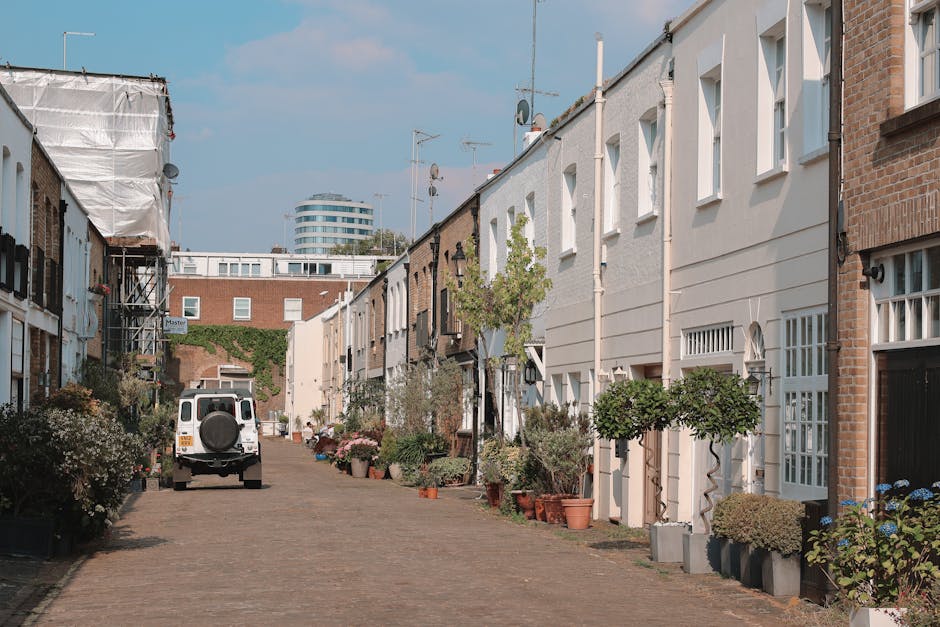
On Chiswick terraces, the building layout adds another layer. A Victorian or Edwardian terrace may have steep internal stairs, tighter turning points, narrow front rooms, and door frames that seem to shrink the moment a larger object approaches them. Even if the furniture itself is manageable, the route out of the property may not be. Ever tried turning a tall cabinet around a landing with a low ceiling light in the way? It can feel like a minor engineering puzzle.
There is also the emotional side. A family dining table, inherited chest of drawers, or ornate clock may be worth far more than its resale price because of what it represents. A scratch is not just a scratch in that moment. So the goal is not simply to move the item. It is to move it in a way that preserves value, appearance, and peace of mind.
In practical terms, careful antique moving reduces the chance of:
- surface scuffs and dents
- loose joints failing under vibration
- glass or mirror breakage
- finishes cracking from sudden temperature changes
- frame warping from poor storage or damp wrapping
- injury from awkward lifting or overreaching on stairs
That last point matters more than people expect. A heavy antique sideboard might look like a two-person job until it reaches a tight hallway. Then it becomes a four-person problem with a vulnerable corner and someone standing on the stair edge. Not ideal, obviously.
How Safely Moving Antiques on Chiswick Terraces Works
The process usually starts with assessment. Before any packing begins, you need to identify what the item is made of, how fragile it is, whether it can be dismantled, and what route it must take. Good preparation is not glamorous, but it prevents most damage. A polished mahogany surface needs different protection from a painted pine chest. A marble top needs different support from a chair with loose legs.
The next stage is route planning. This is especially important in terraces where access can be constrained. A sensible mover checks the front path, doorstep width, hallway corners, staircase run, landing size, and the vehicle loading point. If the item must leave through the rear of the property, the same careful eye applies there too. You want to remove guesswork before anyone starts carrying.
Then comes preparation and wrapping. The aim is to protect vulnerable surfaces without trapping moisture against them or applying pressure to weak joints. Breathing room matters. So does using the right materials in the right order. In many cases, you would wrap the piece, secure moving blankets, stabilise loose parts, and mark any detachable sections so reassembly is easier later.
Once the item is ready, lifting should be slow and deliberate. One person should guide the route, not just the weight. Another should watch for corners, wall edges, banisters, and changes in level. Small pauses are better than one heroic lunge through the doorway. That is where accidents happen.
Finally, the item should be secured in the vehicle or temporary storage area so it cannot shift during transit. Even a short trip across Chiswick can cause movement if the load is not braced properly. Antique furniture does not like sudden braking, sharp turns, or being stacked under modern boxes that have no business touching it.
If you want to compare the company policies and service expectations before booking, the terms and conditions and privacy policy are worth reviewing. It is the boring bit, yes, but boring details often save headaches later.
Key Benefits and Practical Advantages
Safe antique moving is not just about avoiding damage. It creates a calmer, more organised move overall. That matters because antiques often slow down a move if they are treated as an afterthought. When they are planned properly, the rest of the day tends to go more smoothly too.
1. Reduced risk of damage
This is the obvious benefit, but it is worth spelling out. The right wrapping, lifting, and route handling protect the finish, structure, and fittings. For example, a loose drawer knob that would normally catch on a doorway can be removed and packed separately. Simple, but effective.
2. Better control in tight spaces
Terraced houses often demand a more measured approach than larger detached properties. Safe handling techniques make awkward corners, stair turns, and narrow entrances much easier to manage. You are not fighting the building; you are working with it.
3. Less stress for the household
Let's face it, moving day already has enough moving parts. If you know the antiques are handled properly, there is one less thing to worry about while the kettle boils in the background and everyone is trying not to stand in the wrong place.
4. Better preservation of value
For collectors and homeowners, condition matters. A small chip or crack can affect both appearance and long-term value. Even if the item stays in the family, preserving it properly is a sensible bit of stewardship.
5. Safer working conditions
Proper planning reduces the chance of strains, slips, and collisions. That applies to the movers and to anyone helping out, including the helpful neighbour who insists they can carry "just one end". Sometimes they can. Sometimes they really shouldn't.
| Approach | Best for | Main benefit | Main limitation |
|---|---|---|---|
| Careful DIY handling | Small, sturdy antiques | Low cost, flexible timing | Higher risk with stairs, glass, and weight |
| Professional packing support | Fragile or high-value items | Better protection and route control | Higher upfront cost |
| Full moving service | Multiple antiques or complex access | Most efficient and least stressful | Requires booking and planning |
Who This Is For and When It Makes Sense
This approach is useful for anyone moving valuable, delicate, or awkwardly shaped antique items through Chiswick terraces or similar London homes. It is especially sensible if the property has stairs, limited parking, narrow entrances, or an older floor plan where large furniture needs to be angled through tight spaces.
It makes sense if you are:
- moving a single statement piece such as a sideboard, cabinet, or armoire
- relocating a family collection with mixed materials like wood, glass, brass, and marble
- preparing antiques for storage before renovation
- downsizing and need to move heirlooms with extra care
- managing a house move where the antiques cannot be replaced easily
- handling items with sentimental value, even if the cash value is modest
Sometimes the decision is not about price or prestige. It is about common sense. If you are looking at a piece and thinking, "That would be fine if only the stairs were wider," then you already know it needs a more careful plan.
For customers who want to understand the business background and service ethos before making arrangements, the about us page gives a helpful sense of how the service is positioned. That sort of reassurance can matter when you are trusting someone with a piece you have had for years.
Step-by-Step Guidance
Here is a practical way to approach the move without turning it into a drama. The order matters. Skip a step and you may find yourself doing things twice, which nobody enjoys.
Step 1: Assess each antique individually
Look at size, weight, material, age, and condition. Note any loose joints, lifted veneer, detached handles, cracked glass, or previous repairs. If a piece already wobbles, it needs gentler handling and possibly partial dismantling.
Step 2: Measure the route
Measure door frames, stair widths, landings, ceiling heights, and any turns that could create a pinch point. Do not rely on memory. A room can feel spacious until a tall mirror arrives and suddenly everyone starts muttering.
Step 3: Clear and protect the path
Remove rugs, ornaments, floor clutter, and anything that could snag or trip someone. Protect walls and bannisters where contact is likely. In tight terraces, even a small cushion of protection can prevent annoying little scrapes.
Step 4: Prepare the item properly
Empty drawers, secure doors, remove loose parts, and pack any detachable items separately. Wrap surfaces with clean, suitable materials. Avoid anything damp, sticky, or rough. Old finishes can be surprisingly fussy.
Step 5: Lift with control, not force
Use enough people for the item and the route. A two-person lift might be fine for a dining chair, but not for a tall cabinet with a glass front. Communicate clearly. Slow is good. Slow is often safer than strong.
Step 6: Load securely
Place the item upright where possible, brace it so it cannot slide, and avoid stacking other goods against delicate surfaces. If it must lie flat, check whether that position is safe for its structure first. Some pieces simply should not.
Step 7: Unpack and inspect on arrival
Check for movement, scuffs, loose fittings, or new signs of stress. Then let the item settle before reassembling or placing it near heat sources. A quick inspection now is worth a lot more than a surprise later in the week.
Expert summary: The safest antique move is usually the one that looks slightly over-prepared. Extra wrapping, slower lifting, and a measured route are not signs of fussiness; they are signs of respect for the object.
Expert Tips for Better Results
Small adjustments make a big difference with antiques. These are the things experienced movers tend to check first, often without even thinking about it anymore.
- Photograph the item before moving it. A few clear photos help with condition checks and reassembly later.
- Take off loose fittings early. Handles, keys, shelves, and detachable glass are safer separately.
- Use breathable protection where appropriate. Wrapping should protect, not trap moisture.
- Keep finish surfaces clean and dry. Dust and grit can scratch polish faster than people expect.
- Label all parts clearly. Small bags for screws and brackets save a lot of swearing later. Mild swearing is acceptable, of course, but only mild.
- Avoid last-minute route changes. If you discover a better exit halfway through, stop and reassess instead of forcing the issue.
One practical observation: older furniture often has slight asymmetry from age and use. That means the piece may not move the same way in both directions. If it went through the doorway one way during delivery decades ago, that does not guarantee it will come out the same way now. Buildings settle, floors shift, and old wood behaves like old wood. A bit stubborn, really.
Another useful habit is to assign one person to speak. Too many instructions from different people create confusion fast. "Left a bit, pause, now down" is far better than five voices offering competing opinions from three different angles.
Common Mistakes to Avoid
Most antique damage during moves is not caused by dramatic accidents. It is caused by small, avoidable mistakes that build up. The good news is that once you know them, they are easy to spot.
Using the wrong wrapping materials
Rough blankets, thin plastic, or damp coverings can cause problems. Some materials scratch, some trap moisture, and some slide around during transit. For antiques, the wrapping should be secure and suitable for the finish.
Forcing a piece through a tight space
If an object does not turn comfortably, stop. Forcing it can crack a leg, split a joint, or gouge the wall. A brief pause is not failure. It is judgement.
Ignoring hidden weakness
A piece may look solid but have loose glue, old repairs, or thin sections that fail under pressure. Corners, drawer runners, and decorative feet are common weak points.
Leaving drawers and doors unsecured
Movement creates strain. A swinging door can hit a frame; a drawer can slide open and change the balance of the whole item. Simple fix, annoying consequence.
Not checking the landing or staircase first
This one catches people out. A staircase can look manageable from below and suddenly feel much tighter from the top. Always check the whole route, not just the obvious opening.
Underestimating the time required
Antique moves take longer than ordinary furniture moves. Rushing is the enemy. If the schedule is too tight, the quality of the handling tends to suffer. And once that happens, the whole day gets messier.
Tools, Resources and Recommendations
Choosing the right tools makes the move more controlled and less tiring. You do not need a van full of specialist kit for every item, but the basics matter.
- Moving blankets: useful for cushioning painted or polished surfaces.
- Corner protectors: helpful for items with sharp edges or vulnerable frames.
- Straps and ties: important for securing items in transit without letting them shift.
- Furniture sliders: useful on hard floors when repositioning heavy pieces.
- Mattress or glass covers: can protect unusually shaped pieces, if used correctly.
- Padding tape or soft ties: useful for securing loose parts without marking surfaces.
- Clean microfibre cloths: good for dusting before wrapping.
- Labels and sealable bags: simple, but brilliant for hardware and detachable components.
For people who want a smoother move from start to finish, it helps to work with a provider that communicates clearly and has visible policies. A quick read of the service terms can clarify what is included, while the privacy policy explains how enquiry details are handled. That may sound administrative, but it is part of choosing a team you can trust.
There is also a practical point about storage. If antiques need to be held between addresses, the storage environment matters. Dry, stable conditions are usually preferable to a space that swings between damp and warm. If you are unsure, ask direct questions before booking. Better to ask now than to discover a musty smell later. Nobody enjoys that moment.
Law, Compliance, Standards, or Best Practice
Antique moving is not usually about legal complexity, but there are still sensible standards and obligations to keep in mind. In the UK, anyone helping with lifting and transport should work safely, avoid overloading themselves, and use appropriate handling methods. That is partly a duty of care issue and partly plain common sense.
For homes on terraced streets, parking, access, and loading may also affect planning. In practice, this means checking local access constraints, avoiding obstruction, and making sure vehicles are positioned safely. The exact rules can vary by location and situation, so it is wise to treat access as a planning issue rather than something to sort out at the last second.
There is also a distinction between moving, storing, and insuring items. Insurance cover can depend on declared values, the condition of the item, and how it is transported. If an object is especially valuable or irreplaceable, it is sensible to confirm what level of protection is available before the move begins. No one likes reading policy details, but it is better than guessing.
Best practice usually includes:
- documenting the condition before transport
- using suitable protective materials
- ensuring routes are clear and safe
- avoiding unsafe lifting by one person
- separating delicate components before movement
- checking items again on arrival
If you have something unusual, such as an antique with historic significance, very fine detailing, or a conservation-sensitive finish, it may be sensible to seek specialist handling rather than treating it like standard furniture. When in doubt, slower and gentler is usually the right answer.
Options, Methods, or Comparison Table
Not every antique move needs the same level of support. The right method depends on the item, the access, and how much risk you are willing to take. Here is a simple comparison that may help.
| Method | Typical use | Pros | Cons |
|---|---|---|---|
| DIY with friends | Light, sturdy items | Low cost, flexible timing | Risky for stairs, glass, and awkward shapes |
| Partial professional support | Single large or fragile pieces | Expert handling where needed most | You still manage some coordination |
| Full antique-focused move | Multiple valuable items or difficult access | Best control, least stress | Usually the highest cost upfront |
For many households, the middle option is the sweet spot. You may handle smaller items yourself and bring in experienced help for the pieces that are awkward, fragile, or too valuable to gamble with. That balance often feels sensible rather than overdone.
Case Study or Real-World Example
Imagine a Chiswick terrace with a narrow hallway, a turning staircase, and an Edwardian sideboard that has been in the family for decades. The sideboard is not enormous, but it is heavy enough to be awkward and delicate enough to punish a careless lift. One drawer sticks slightly, a brass handle is loose, and the top has a polished finish that shows every little mark.
The move starts with photographs and a quick inspection. The drawers are emptied, the loose handle is wrapped separately, and the doors are secured. The route is measured from front door to vehicle. A small wall protector is placed at the landing where contact is most likely. Nothing dramatic. Just preparation.
On the first attempt, the team realises the staircase turn is tighter than expected. Instead of pushing through, they pause and change the angle of approach. The sideboard is rotated slowly, with one person guiding the top and another stabilising the base. It takes longer than expected, but that is fine. The item clears the turn without bumping the wall, and the finish stays intact.
That sort of move is not glamorous. No one cheers. But that is rather the point. A successful antique move is often the one nobody notices because it happened quietly and safely.
Practical Checklist
Use this checklist before moving day. Print it, copy it into your notes app, or scribble it on a bit of paper. Whatever works.
- Identify each antique and note its condition
- Measure doors, stairs, landings, and exits
- Check for loose fittings, glass, or fragile veneer
- Empty drawers and secure doors or lids
- Remove detachable parts and label them
- Prepare suitable wrapping and protection materials
- Clear walkways and protect likely contact points
- Decide who will carry, guide, and supervise
- Plan the loading area and vehicle access
- Confirm storage or destination conditions if needed
- Inspect each item after unloading
- Keep photos and notes for reference
Quick reminder: if a piece feels borderline too heavy, too fragile, or too awkward, treat that instinct as useful information. It usually is.
Conclusion
Safely moving antiques on Chiswick Terraces is really a combination of patience, route awareness, and respectful handling. The antiques themselves matter, of course, but so does the setting. Terraced homes bring narrow access, tight turns, and plenty of chances for a careless bump if the job is rushed.
Once you understand the risks, the whole process becomes much more manageable. Measure carefully. Pack properly. Lift with control. Check every item on arrival. It sounds straightforward because, in principle, it is. The skill lies in doing those basics consistently, especially when the hallway is narrow and the day is already busy.
If you are planning a move and want a clearer idea of the service journey, you can start with the contact page or review the company background first. Either way, the best next step is the one that gives your antiques the care they deserve.
Get a free quote today and see how much you can save.
Handled well, an antique move does not have to feel tense. Done properly, it can feel calm, controlled, and quietly satisfying. That is a good feeling to end on.
Frequently Asked Questions
How do you safely move antiques on Chiswick terraces with narrow stairs?
Start by measuring the route, removing obstacles, and checking the staircase turns before touching the item. Use enough people to control the piece, and protect walls and bannisters where contact is likely. If the object is awkward or valuable, a slower, planned approach is usually safer than trying to rush it.
Do I need professional help for antique furniture?
Not always, but it is often sensible for fragile, heavy, or high-value pieces. A small side chair may be manageable, while a marble-topped cabinet or tall display piece can become risky quickly. The more awkward the access, the more useful experienced help becomes.
What is the best way to pack antique furniture for a move?
Use clean, suitable padding, secure loose parts, and wrap surfaces so they are protected without trapping moisture. Remove detachable fittings where possible and keep small hardware in labelled bags. The aim is to prevent movement and rubbing during lifting and transport.
Can antique mirrors and glass cabinets be moved safely in a terrace house?
Yes, but they need extra care. Glass should be stabilised, protected from pressure points, and handled upright where appropriate. If the frame or glazing is fragile, it is often safer to remove the glass section separately if that can be done without risk.
How long does it usually take to move antiques?
It depends on the number of items, access, and complexity. One small piece might take minutes, while a larger antique move with stair turns and wrapping can take much longer. The most reliable approach is to allow more time than you think you need.
What are the biggest risks when moving antiques?
The main risks are impact damage, scuffs, joint failure, glass breakage, and poor lifting technique. On terraces, the route itself adds risk through narrow hallways, tight turns, and stairs. A rushed move is where most trouble starts.
Should antiques be stored upright or flat during transport?
Usually upright is preferable for many furniture pieces, but it depends on the design and condition of the item. Some pieces should never be laid flat, while others may need a different position for safety. If you are unsure, treat the structure and finish as the deciding factors.
How do I protect antique wood finishes during a move?
Keep the surface clean and dry, avoid harsh materials, and use wrapping that will not scratch or trap moisture. Soft padding and careful handling are key. It also helps to avoid exposing the item to sudden temperature or humidity changes if possible.
Is it worth checking terms and privacy policies before booking storage or moving help?
Yes, especially if your antiques may go into storage or if you want to understand how your details are handled. Terms and conditions clarify service expectations, and a privacy policy explains how personal information is managed. A few minutes spent on that can prevent confusion later.
What should I do if an antique seems too fragile to move?
Stop and reassess rather than forcing it. Photograph the item, inspect the weak points, and consider whether partial dismantling or specialist help is needed. With very fragile pieces, the safest choice is often the slower one.
Can I move antiques on the same day as a full house move?
Yes, but it requires careful sequencing. Antiques should usually be handled early, before the day gets crowded and everyone is tired. If possible, give them their own attention window so they are not rushed between larger tasks.
What makes antique moving on Chiswick terraces different from other areas?
The terraced layout often means narrower access, tighter staircases, and less forgiving turning space. Parking and loading can also need a little more thought. Those details do not make the move impossible; they just make planning far more important.